The port pays twice: on land and on the water.Theportpaystwice:onlandandonthewater.
Vessels burn fuel, terminals draw grid power, charging points and cooling drive the peak loads. Nothing is generated at either end – even though roof, hall and vessel surfaces have long been available.
0 %
of the energy demand currently comes from outside – grid or fuel
0 kWh
is what vessel decks and hall roofs deliver without activation
0 systems
vessel, terminal and shore power run side by side, uncoordinated
01Conventional photovoltaics are simply too heavy for vessel and lightweight roofs.
02Salt, wind and movement wear down standard components over time.
03Shore power and charging infrastructure create new peak loads instead of smoothing them.
04Energy ends at the quay edge – vessel and port are billed separately.
The solution
Fromvesseltoport.Oneenergysystem.
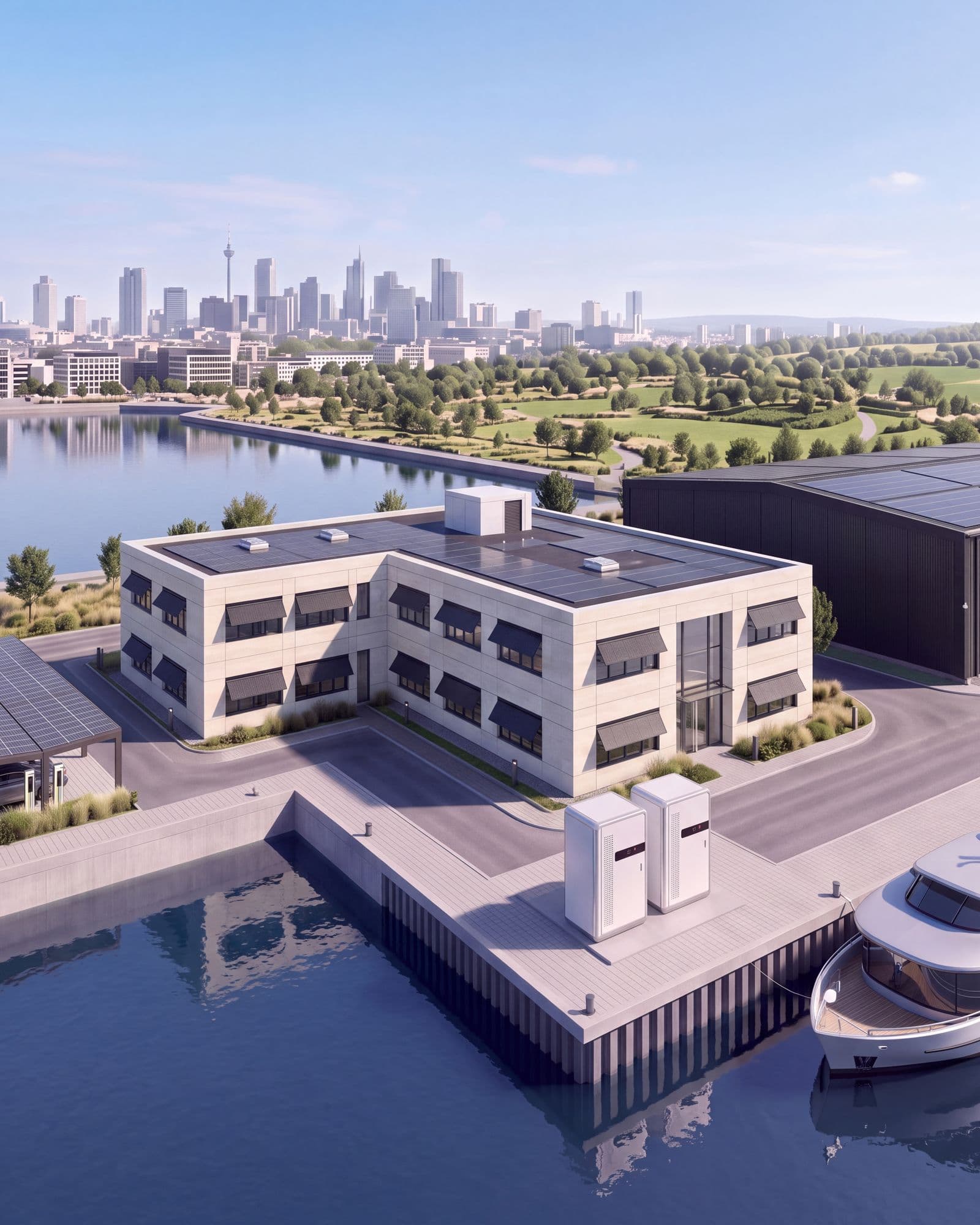
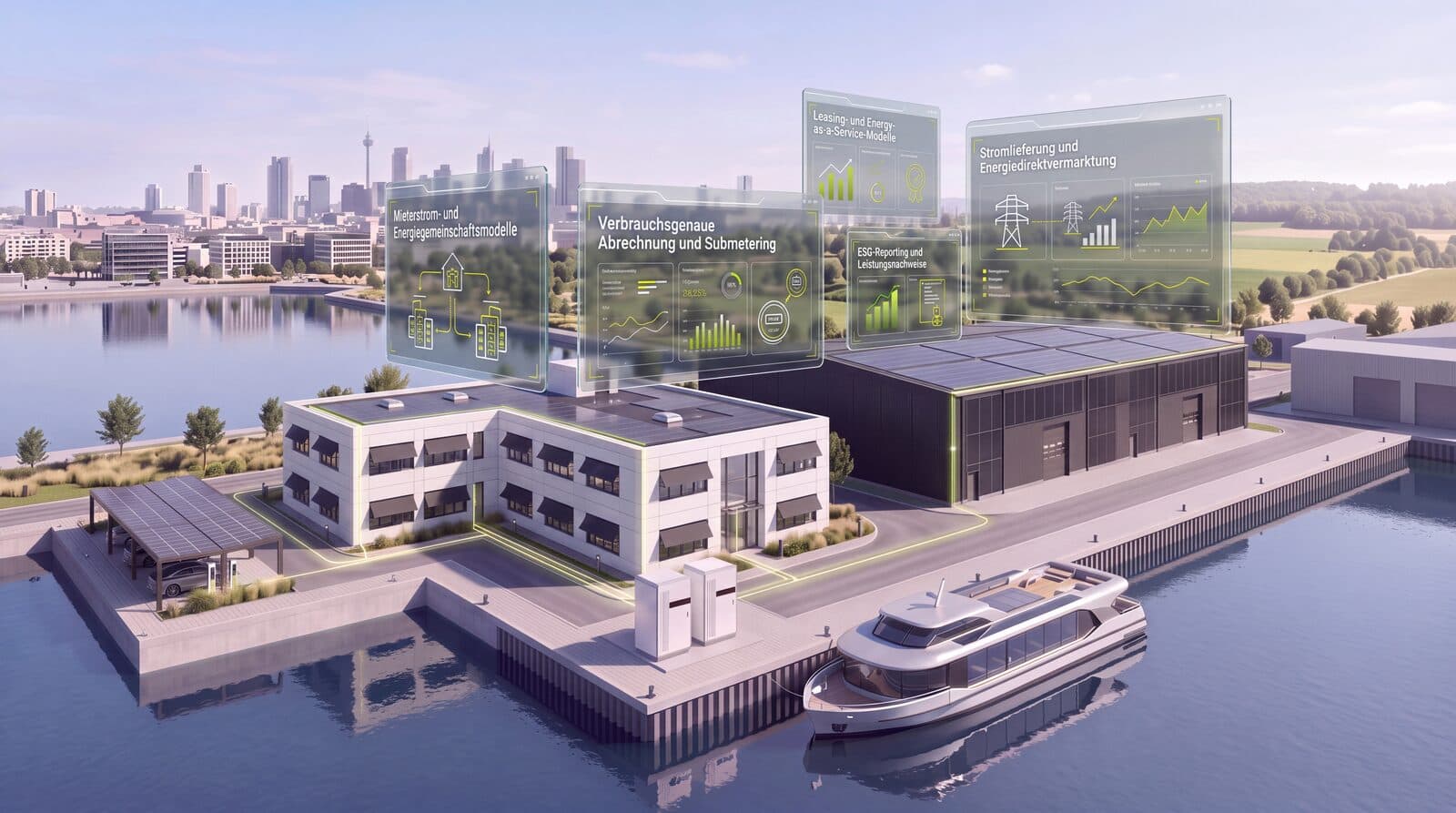
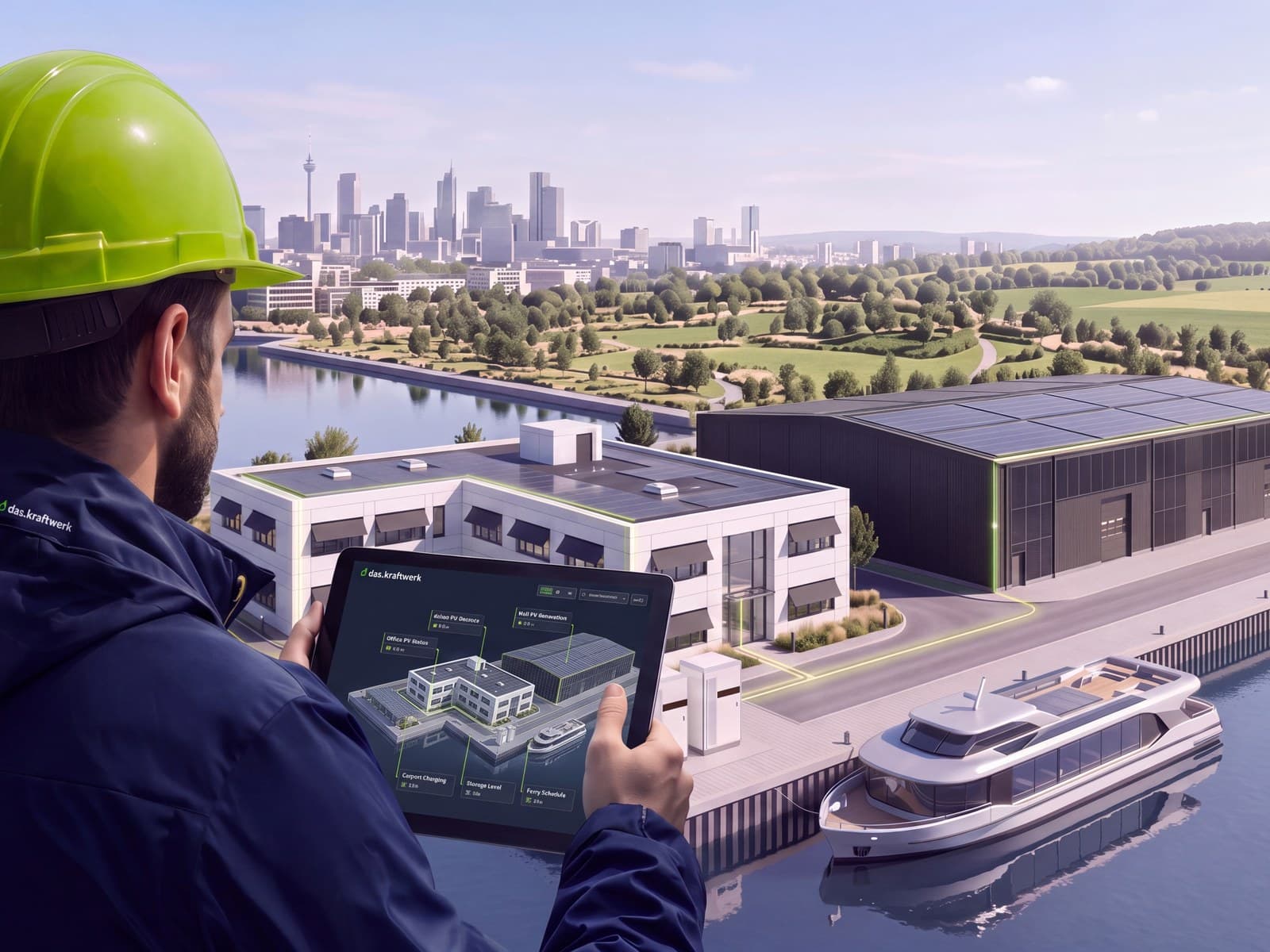
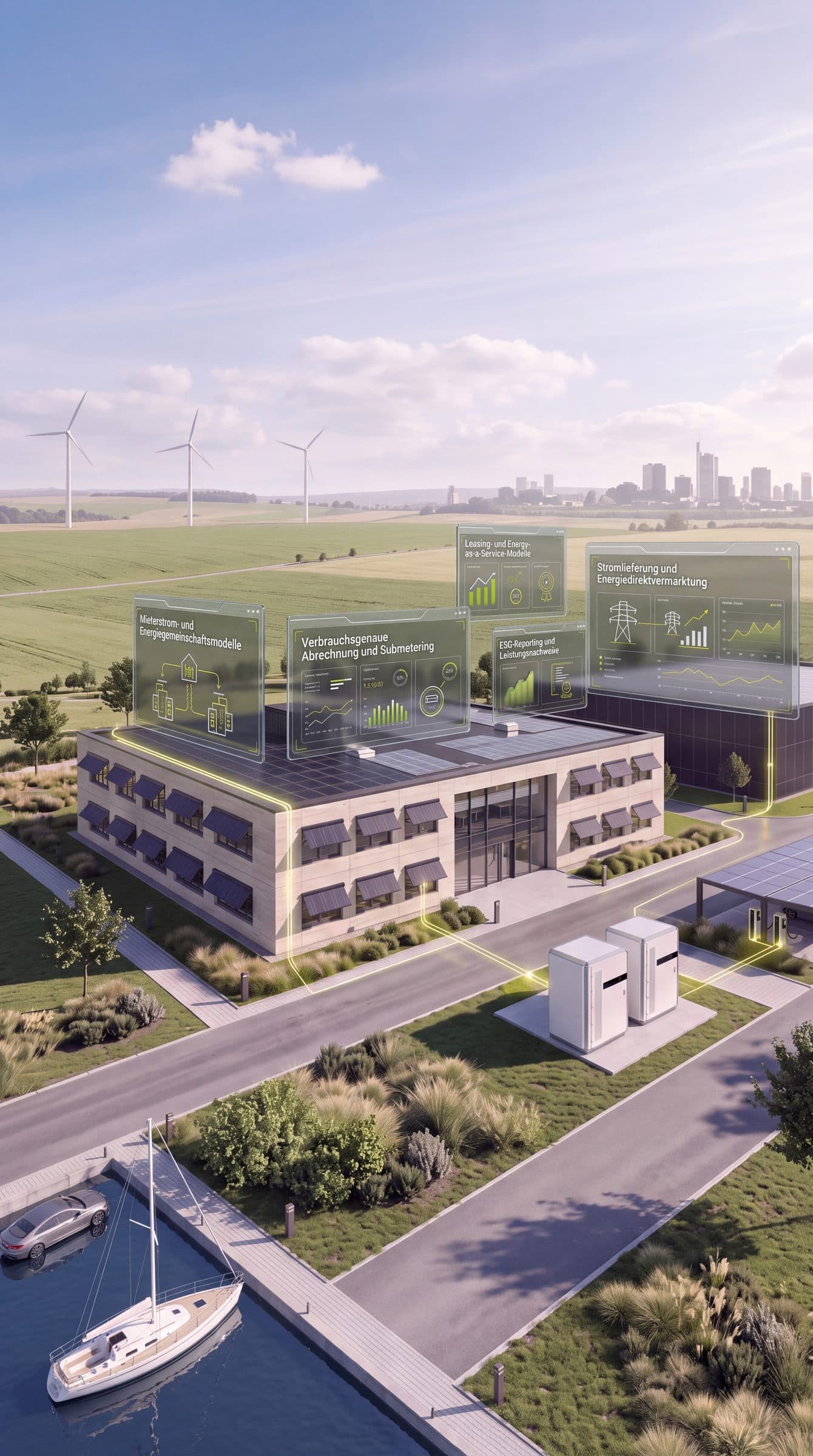
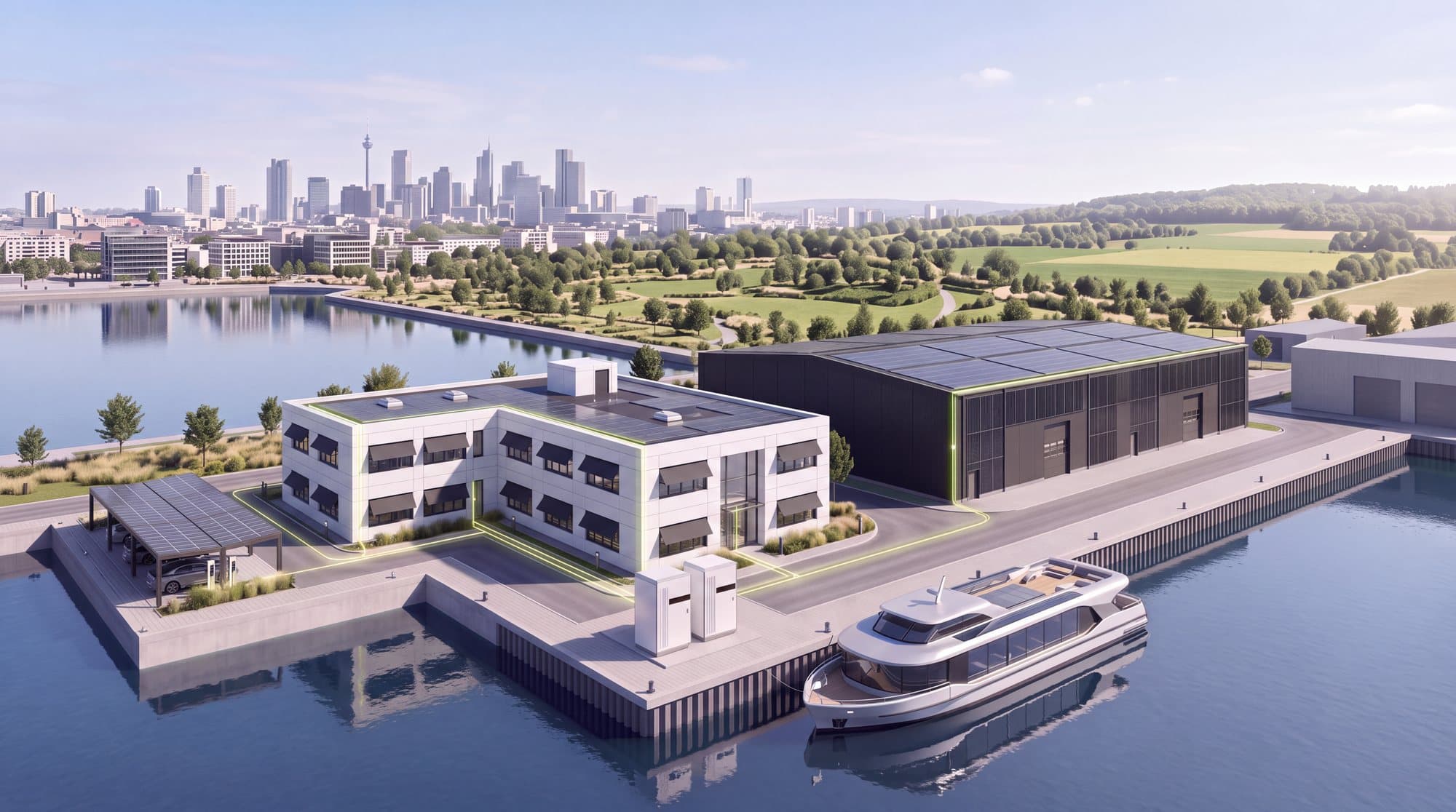
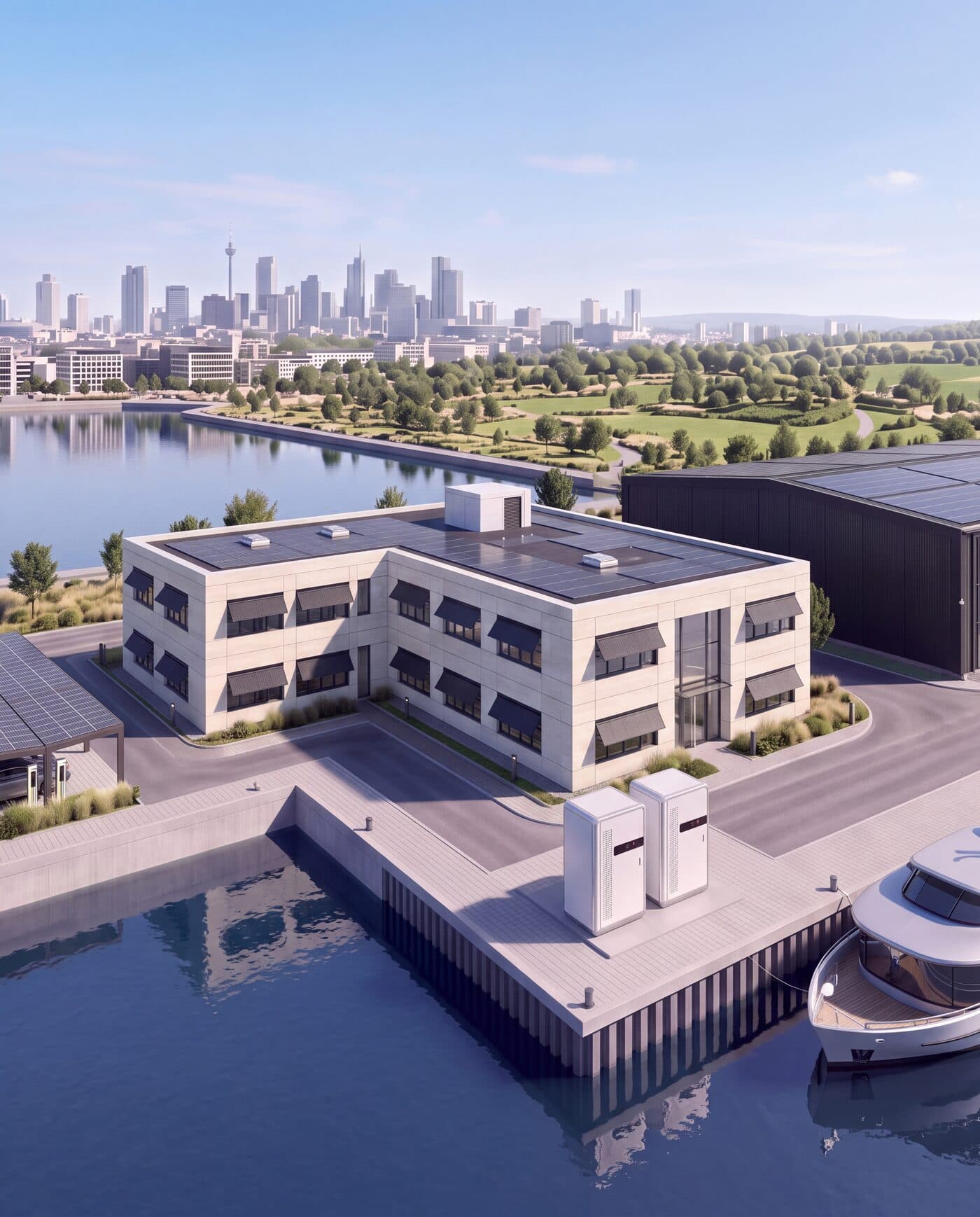
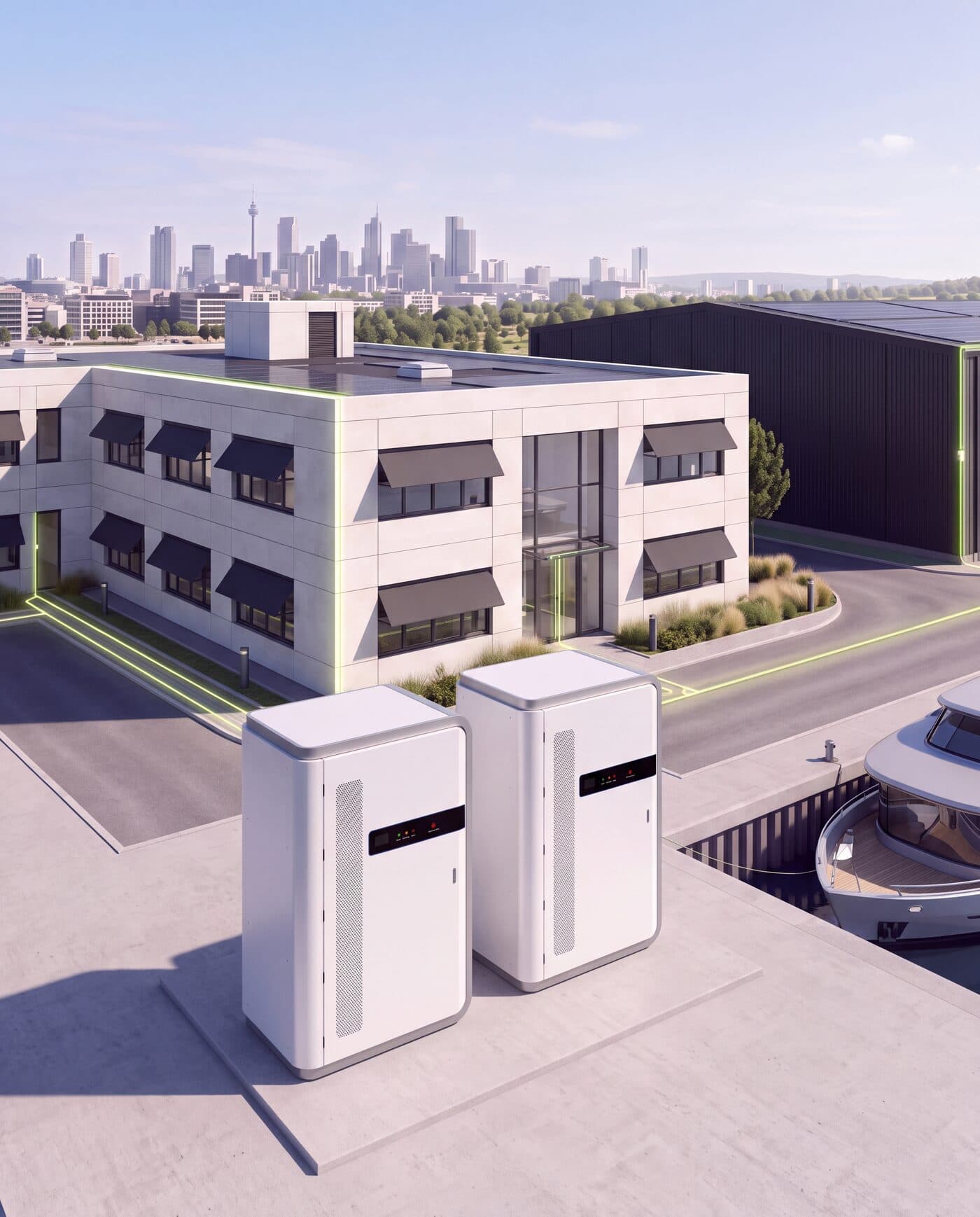
Energy does not end at the quay edge. das.marine connects power generation on vessels with the energy infrastructure ashore – from the terminal and the port hall to storage, charging infrastructure and intelligent energy management.
0 levels
water, land, storage, use and control combined
0 % AT
development and production
Generate · Store · Use · Control
One energy system across water and land.
Vessel, terminal and hall generate together
Storage decouples generation and consumption
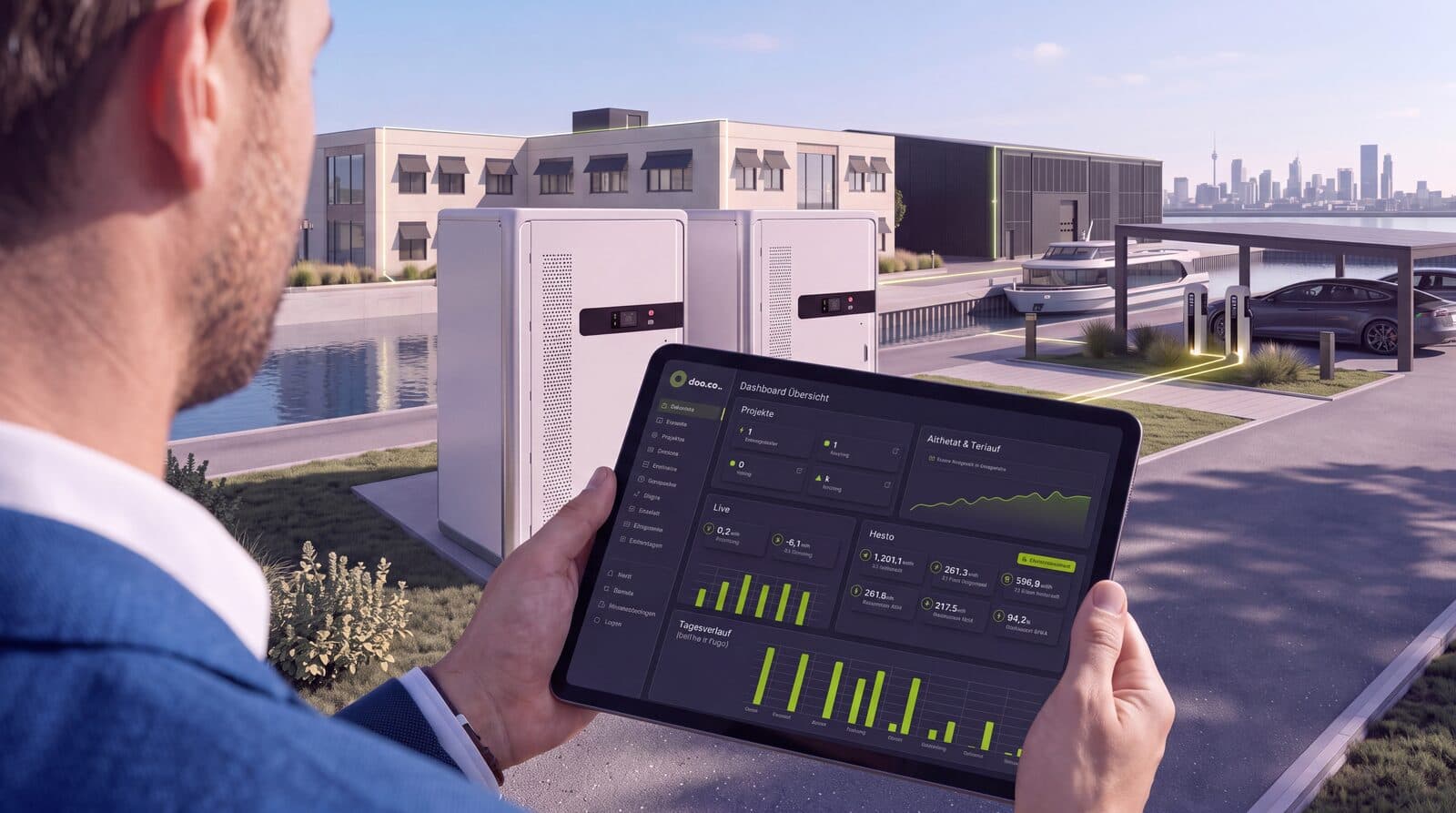
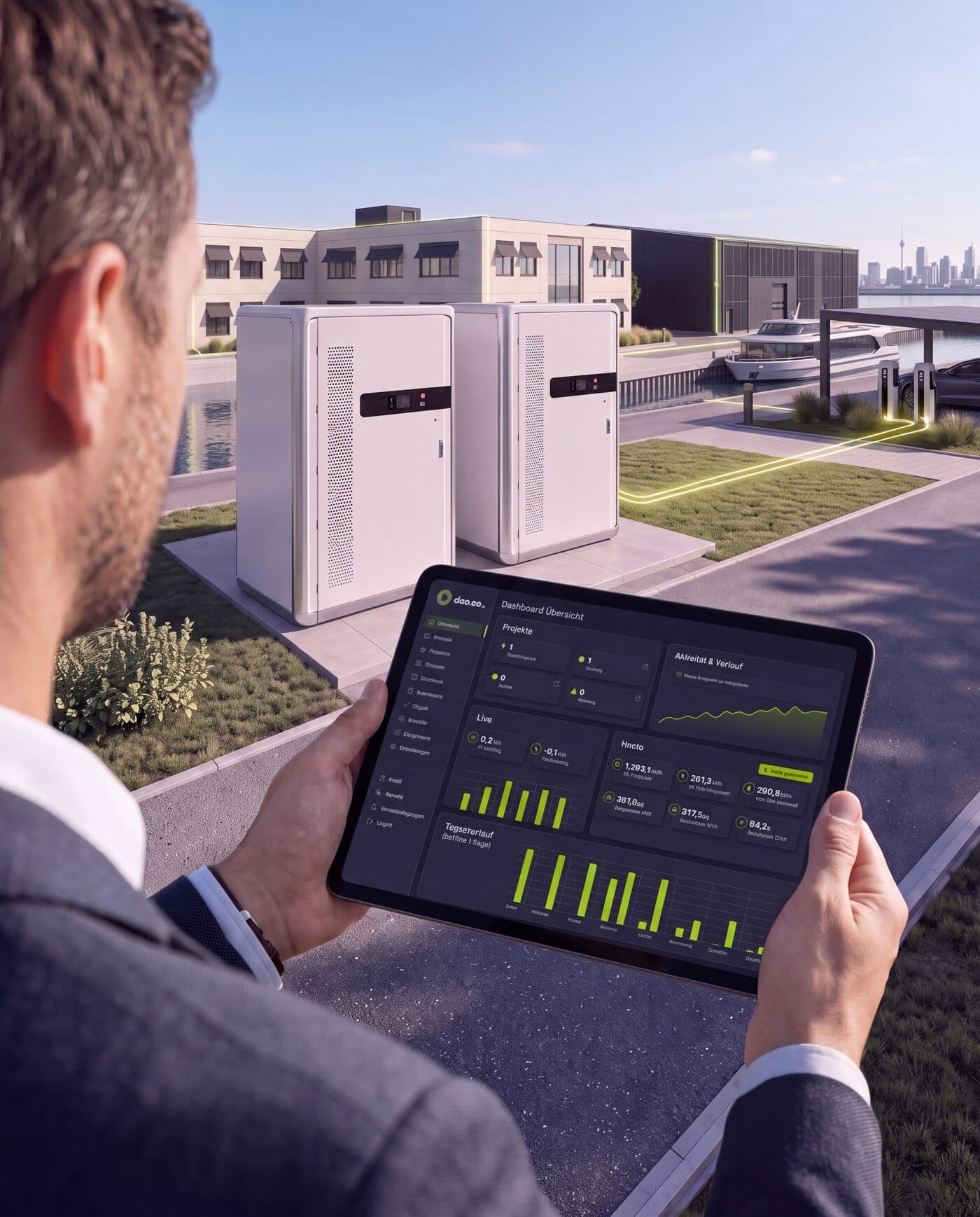
das.os controls all energy flows in real time
Generate · Store · Use · Control
One energy system across water and land.
Vessel, terminal and hall generate together
Storage decouples generation and consumption
das.os controls all energy flows in real time
01
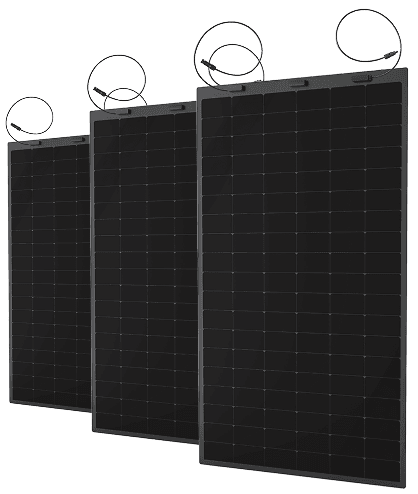
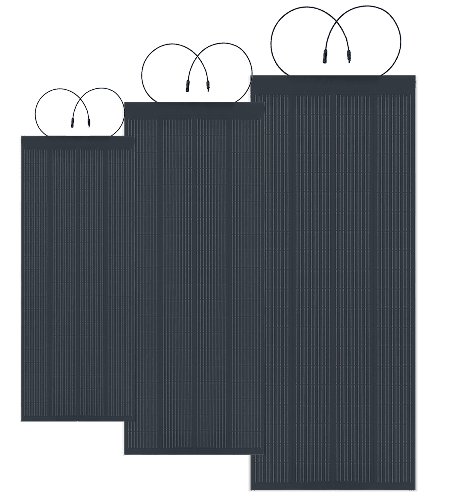
Lightweight PV roof
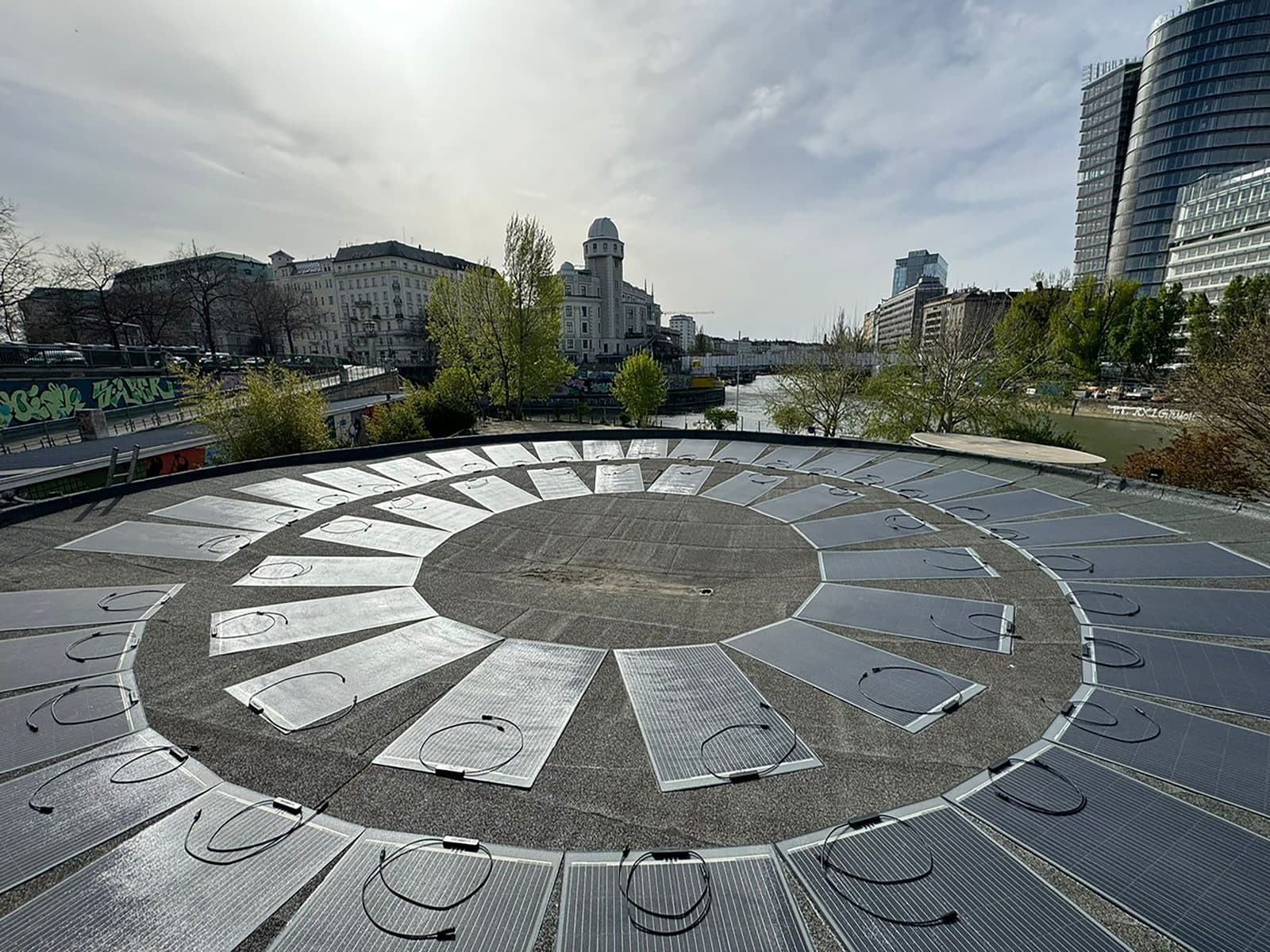
Ultra-light modules activate the flat roof of the terminal building without costly structural reinforcement – mounted without roof penetration.
02
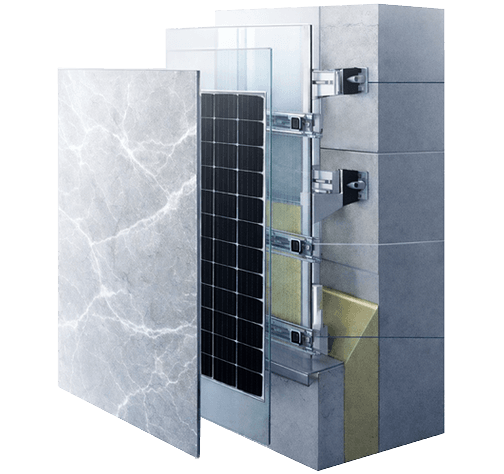
Rear-ventilated facade
Structural facade build-up with integrated generation: an energy-active building envelope, durable and individually customisable.
03
PV awning
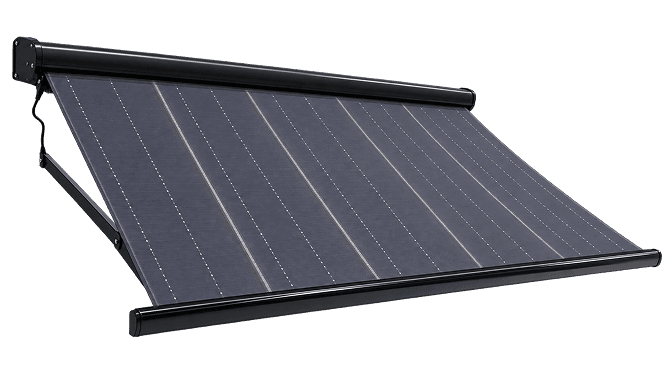
The awnings above the window bands shade the offices while generating power – solar shading and yield surface in one component.
04
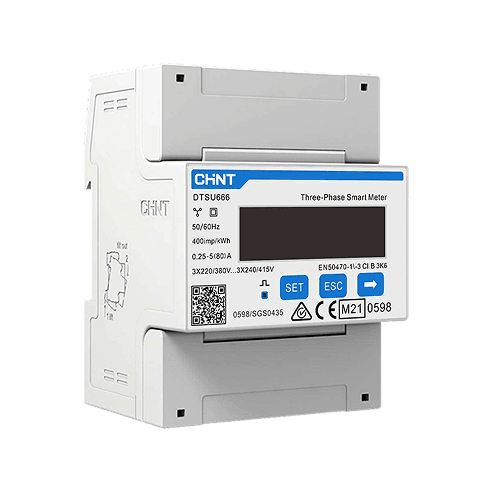
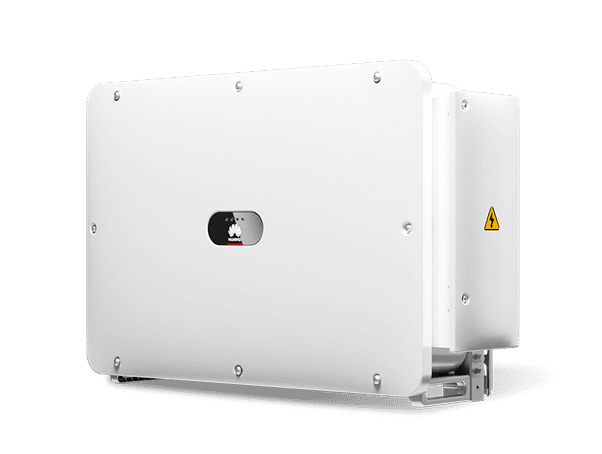
Smart meter & inverter
Metering and power electronics at the entrance capture all energy flows – the basis for a controllable system.
05
Rooftop photovoltaics
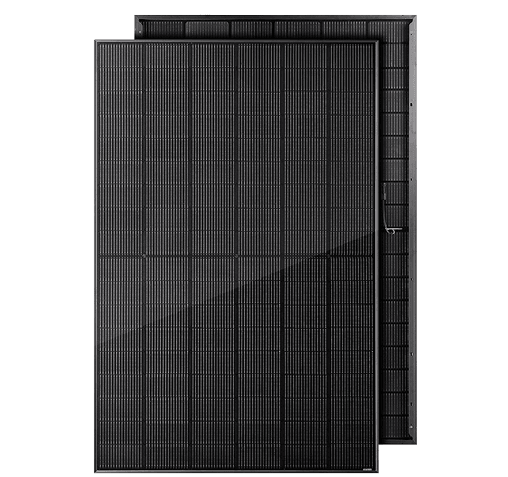
High-efficiency modules deliver the highest yield per square metre on the hall roof – for new builds and existing buildings.
06
Lightweight PV facade
The hall facade generates energy and remains architecture: lightweight, dimensionally stable and individually adjustable in colour.
07
PV carport
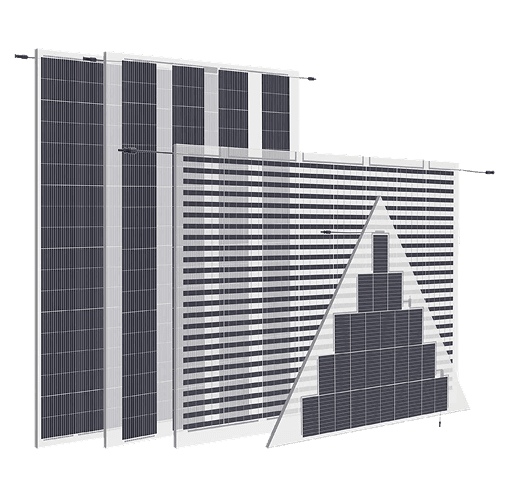
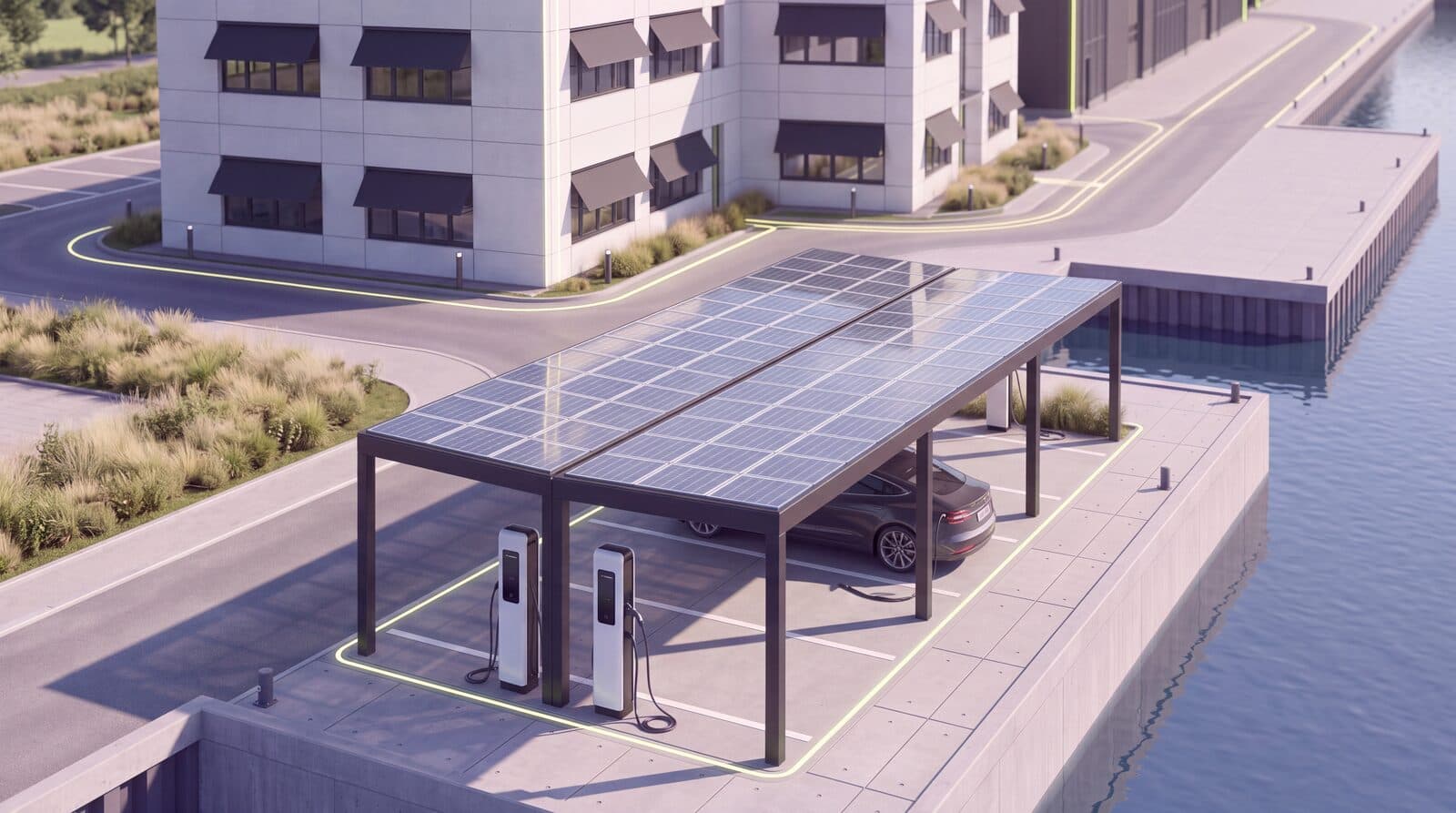
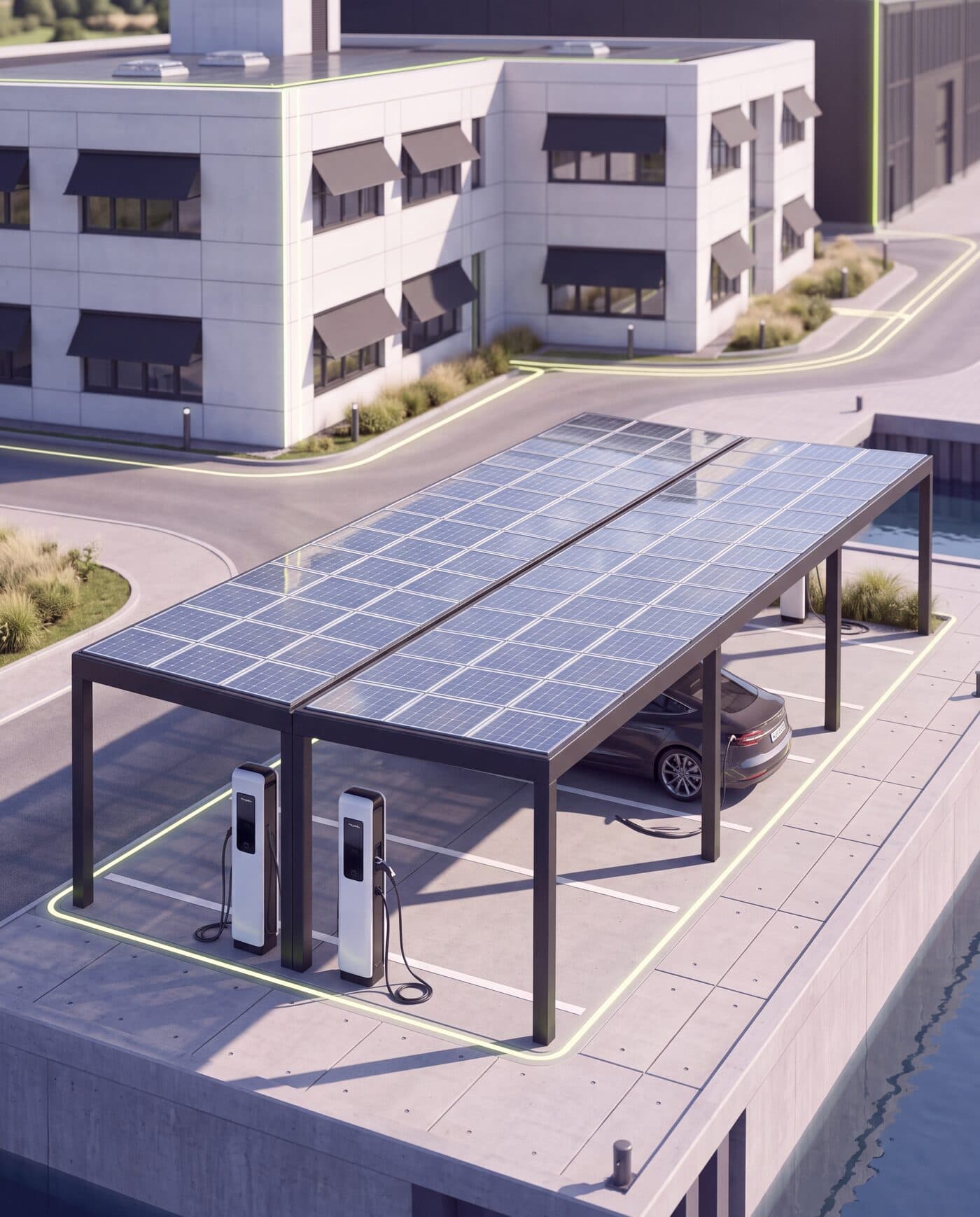
The port apron is roofed over and becomes a generation surface – translucent glass PV elements directly above the charging point.
08
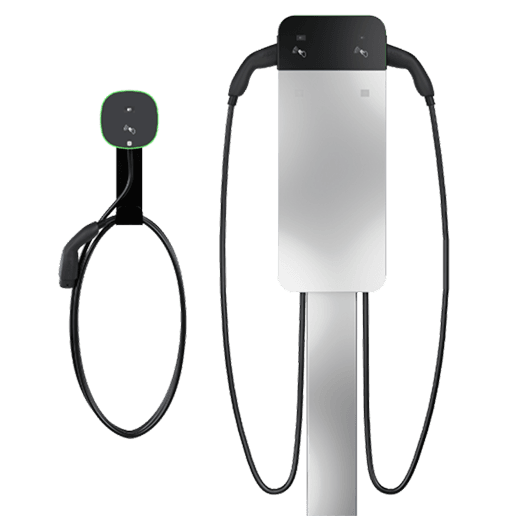
Charging infrastructure
From wallbox to shore-power connection: fleet, cargo-handling equipment and vessel charge from on-site generation, controlled via das.os.
09
Energy storage
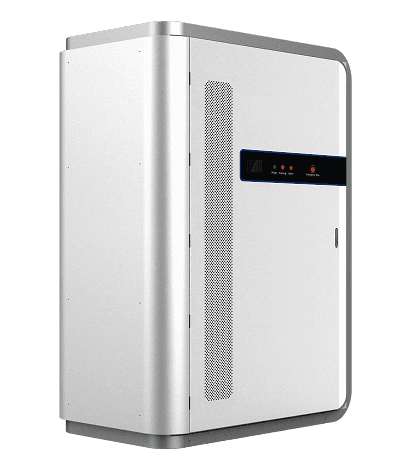
Generation and consumption are decoupled: high self-consumption, capped peak loads, modularly scalable.
10
Lightweight PV
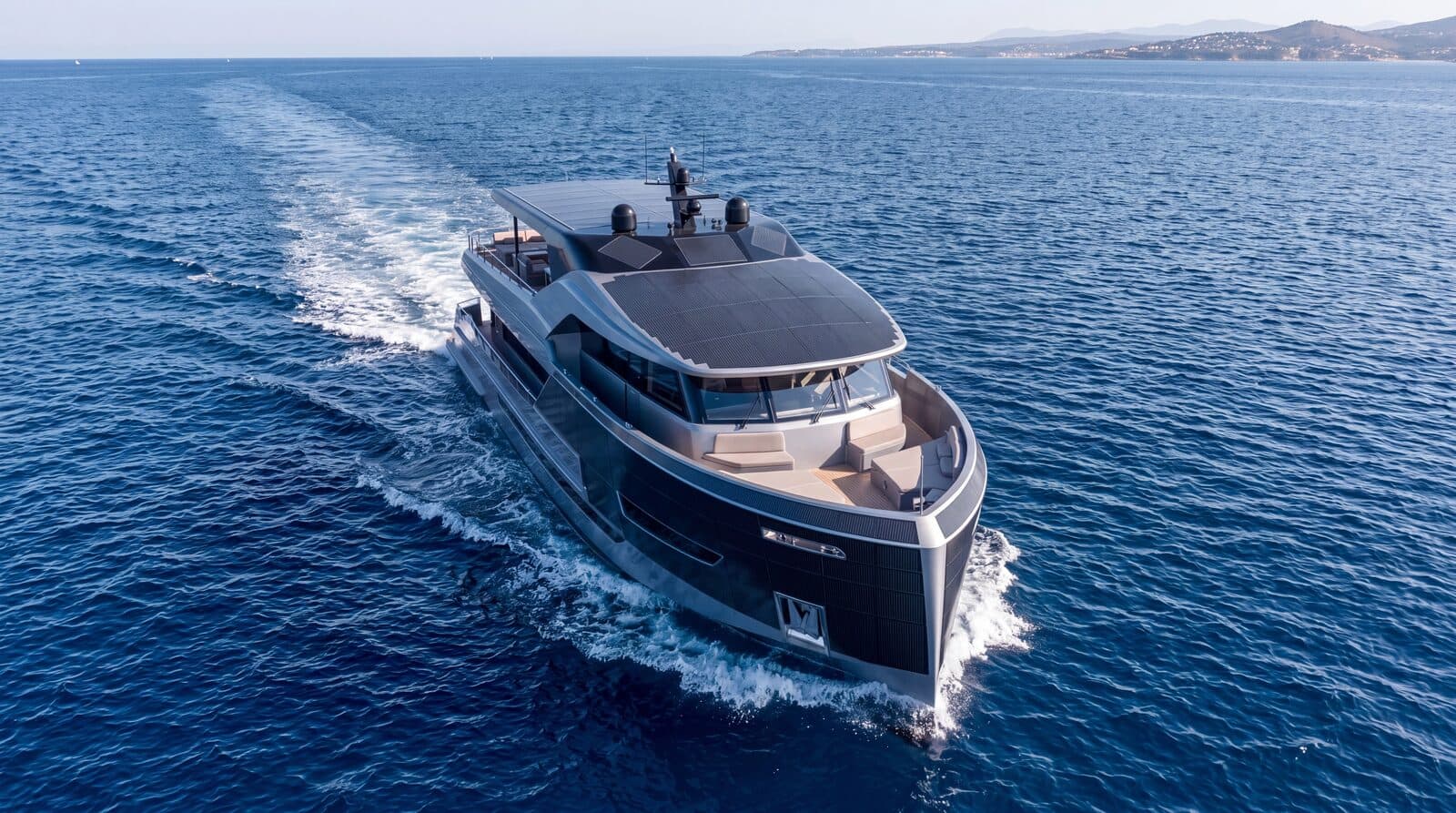
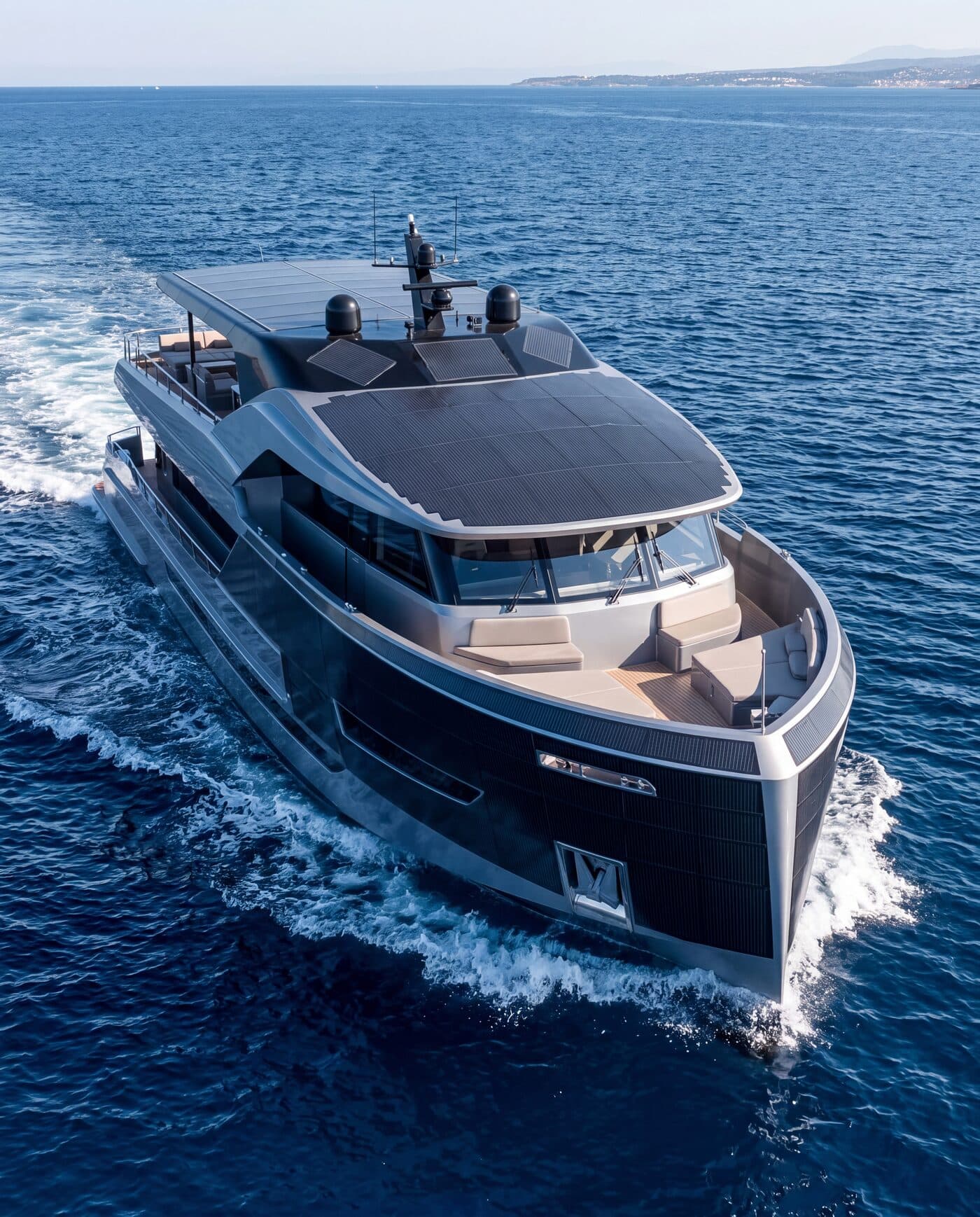
On the vessel's deck and superstructures: ultra-light modules generate on board without adding structural weight – the vessel becomes part of the system.
Das System
01 On the water02 Ashore03 Store energy04 Use energy05 Control energy
PV on vessels and ferries.
Ultra-light photovoltaics for large roof and exterior surfaces where weight and resilience are decisive.
Ultra-light for weight-sensitive vessel surfaces
Rugged against salt, wind and movement
Integration into existing superstructures
01On the water
Das System
01
On the water
PV on vessels and ferries.
Ultra-light photovoltaics for large roof and exterior surfaces where weight and resilience are decisive.
Ultra-light for weight-sensitive vessel surfaces
Rugged against salt, wind and movement
Integration into existing superstructures
02
Ashore
PV for port and infrastructure.
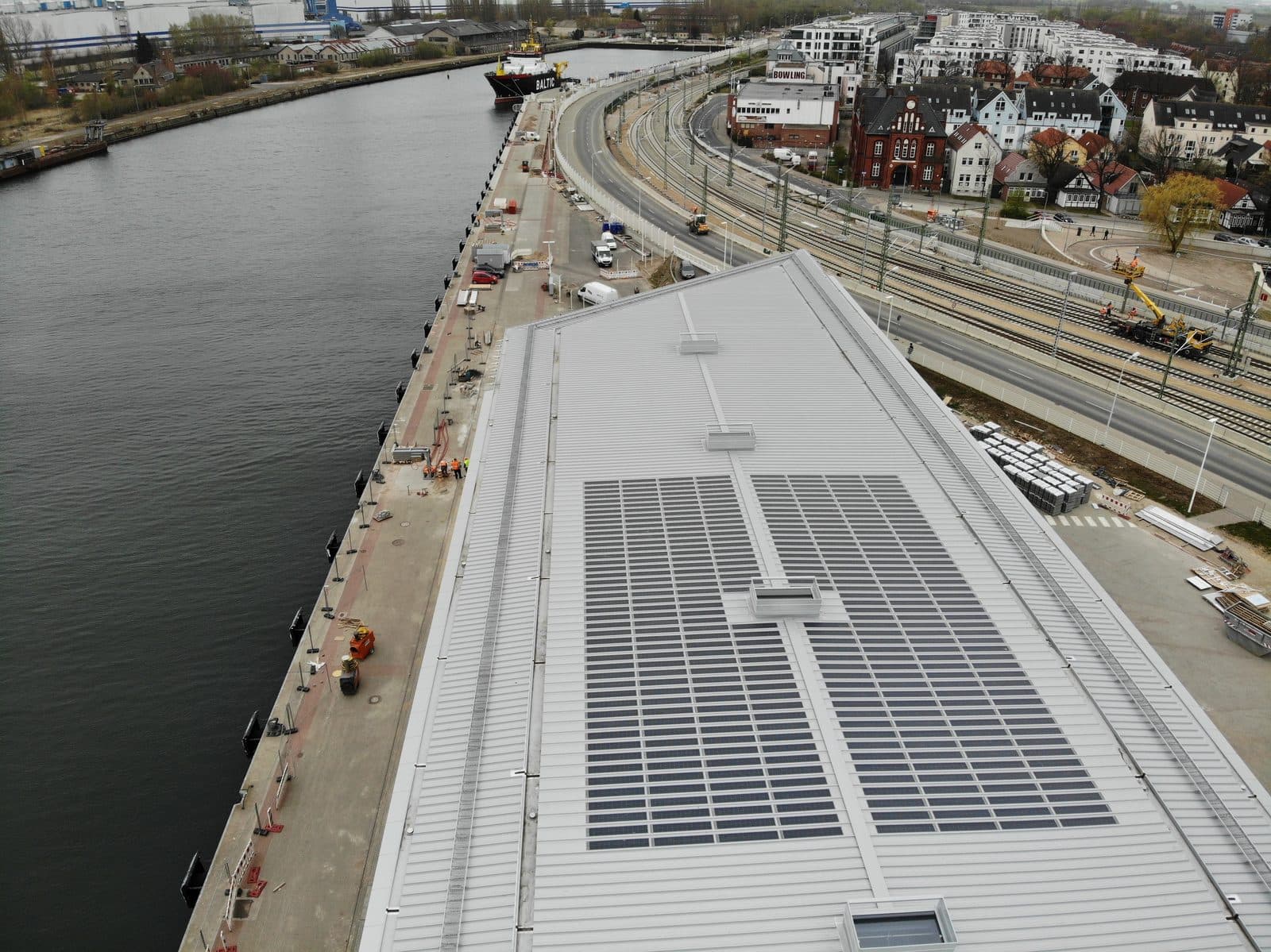
Hall roofs, terminal buildings, facades, carports and open areas are energetically activated – even where conventional photovoltaics fail structurally.
Lightweight PV for large-scale hall roofs
PV facades on terminal and port buildings
Carports and open areas as yield surfaces
03
Store energy
Battery storage on site.
Generated energy is stored intelligently and made available on demand – exactly when vessel and port operations really need it.
Raise self-consumption instead of feeding in
Peak shaving for predictable grid charges
Modularly scaled to the real load profile
04
Use energy
Charging and shore infrastructure.
Energy for vessels, vehicles, buildings and port operations – from shore-power supply to the charging point on the terminal apron.
Shore power for berthed vessels
Charging infrastructure for fleet and cargo handling
Supply for building services and operations
05
Control energy
das.os connects water and land.
Generation, storage and consumption are optimised against each other in real time – forecast-based instead of reactive, across vessel and port.
Maritime applications place particular demands on materials and technology. Our solutions are designed for low weight, demanding environmental conditions and integration into existing structures.
01
Low weight
Ideal for weight-optimised vessel and hall structures.
02
Flexible integration
Photovoltaics are integrated into existing surfaces and structures.
03
A complete system, not a single product
Vessel, port, storage and energy infrastructure are considered as one.
Die Bausteine
Six building blocks. One system.
Each component makes sense on its own – and becomes economically optimal in combination. We configure the right combination for your project.
01
Lightweight PV roof
Ultra-light photovoltaics for roofs and facades with limited structural reserves.
Ultra-light & ideal for industrial roofs with limited load capacity
Mounted without roof penetration
02
Lightweight PV facade
Energy generation becomes part of the architecture – as a high-quality rear-ventilated building envelope.
Lightweight, dimensionally stable & suited to modern facades
Individually adjustable in colour
03
Rear-ventilated facade
Structural facade build-up with integrated energy generation and defined rear ventilation.
Energy-active building envelope
Durable & individually customisable
04
Rooftop photovoltaics
High-efficiency modules for maximum use of large roof areas.
Highest yield per square metre of roof
Suited to new builds and existing buildings
05
PV carport
Parking areas are roofed over and generate power – from translucent glass PV elements in free formats.
Generation directly above the charging point
Translucent & plannable in any format
06
PV awning
Solar shading above windows and terraces becomes a yield surface – one component, two jobs.
Shading and weather protection included
Cuts cooling load while generating power
07
Energy storage
Storage decouples generation and consumption and maximises self-consumption.
Peak shaving and load-peak capping
Modularly scalable to demand
08
Charging infrastructure
Fleet charging with dynamic load management straight from on-site generation.
Load management controlled via das.os
From wallbox to HPC charging park
09
Smart meter
Precisely captures generation and consumption – the basis for efficient energy management.
Energy consumption & energy flows precisely in view
The basis for intelligent energy management
10
Inverters & metering
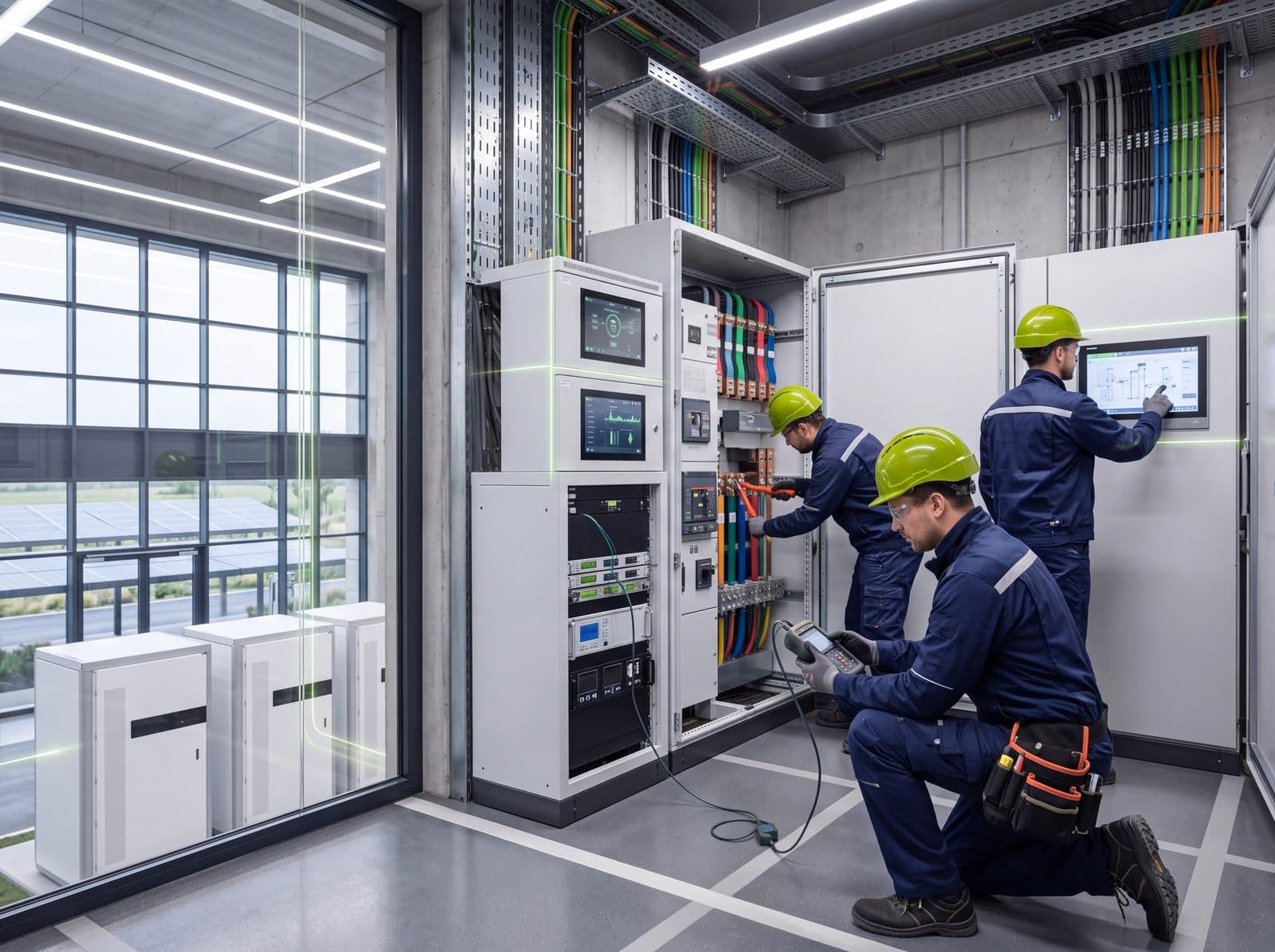
Power electronics and metering as the backbone of a controllable energy system.
Complete measurement data capture
Interfaces to building and energy management
Weiter
Who controls it all?
Keep scrolling – the platforms come next.
Die Bausteine
Six building blocks. One system.
01
Lightweight PV roof
Ultra-light photovoltaics for roofs and facades with limited structural reserves.
Ultra-light & ideal for industrial roofs with limited load capacity
Mounted without roof penetration
02
Lightweight PV facade
Energy generation becomes part of the architecture – as a high-quality rear-ventilated building envelope.
Lightweight, dimensionally stable & suited to modern facades
Individually adjustable in colour
03
Rear-ventilated facade
Structural facade build-up with integrated energy generation and defined rear ventilation.
Energy-active building envelope
Durable & individually customisable
04
Rooftop photovoltaics
High-efficiency modules for maximum use of large roof areas.
Highest yield per square metre of roof
Suited to new builds and existing buildings
05
PV carport
Parking areas are roofed over and generate power – from translucent glass PV elements in free formats.
Generation directly above the charging point
Translucent & plannable in any format
06
PV awning
Solar shading above windows and terraces becomes a yield surface – one component, two jobs.
Shading and weather protection included
Cuts cooling load while generating power
07
Energy storage
Storage decouples generation and consumption and maximises self-consumption.
Peak shaving and load-peak capping
Modularly scalable to demand
08
Charging infrastructure
Fleet charging with dynamic load management straight from on-site generation.
Load management controlled via das.os
From wallbox to HPC charging park
09
Smart meter
Precisely captures generation and consumption – the basis for efficient energy management.
Energy consumption & energy flows precisely in view
The basis for intelligent energy management
10
Inverters & metering
Power electronics and metering as the backbone of a controllable energy system.
Complete measurement data capture
Interfaces to building and energy management
das.flowdas.flow
Pay-per-Power · das.flow
Energy costs become predictability.Energycostsbecomepredictability.
You pay for the energy your vessel, hall and terminal generate – not for the system. das.flow handles financing, operation and billing and makes your electricity price predictable over the entire term.
No large upfront investment
Energy cost advantage from year 1
A predictable price for vessel and port
Financing over 15–18 years
Maintenance and operation can be included
from 0 cents
per kilowatt hour
A predictable electricity price. Financing over 15–18 years.
Grid supply today100 %
with das.marine60 %
Illustrative figures. The specific value emerges from the project analysis.
What you should know about photovoltaics in maritime use.Whatyoushouldknowaboutphotovoltaicsinmaritimeuse.
Yes, provided structural, fire-protection and classification requirements are met. We review the requirements project by project together with the shipyard and operator before a surface is released.
Our lightweight PV weighs a fraction of conventional glass modules. That is exactly what makes it usable on vessel decks, superstructures and lightweight hall roofs where standard modules are ruled out structurally.
The modules are designed for demanding environmental conditions. Build-up, bonding and edge sealing are defined according to the installation site and exposure.
Generation takes place regardless of berth time. What matters is the combination of on-board consumption, storage and shore power – and that is exactly the calculation we run in the site analysis.
Yes. Existing generation, storage and charging points are integrated via das.os and optimised together with the new components.
Yes – via das.flow. You pay for the energy generated instead of for the system; we handle financing, operation and billing.
On request, das.care: remote monitoring, inspection and maintenance over the entire term, reported via das.os.



 01
01